
Why aloe vera has always been familiar
Aloe vera is one of those plants almost every Indian household knows. It sat on balconies and in courtyards, and a broken leaf was the first thing many people reached for after a minor burn or a long day in the sun. In Ayurveda it is known as kumari or ghritkumari.
Its place in everyday life came from being simple, cooling and easy to reach.
What exactly is aloe vera gel
The clear gel inside the aloe leaf is mostly water, and it is what goes into skincare gels. This is different from aloe latex, the yellow sap just under the leaf skin, which is not used on the skin and can cause stomach cramps if taken orally.
How aloe vera works on the skin
Aloe gel is light, cooling and easy to layer, which is why it suits warm weather and tired skin. For skin, the National Center for Complementary and Integrative Health notes that studies suggest topical aloe gel may help with burn healing and pain, and that it is generally well tolerated, though some people report burning, itching or a rash.
The honest picture is that research is limited. A Cochrane review found little high quality evidence for aloe on wounds, and a dermatology review found no protection from sunburn or suntan. So aloe is a comfort and care product, not a sunscreen and not a treatment.
How aloe vera was traditionally used
Traditionally, fresh aloe was applied directly from the plant to skin that felt hot or irritated. It was a household habit, used when needed and kept simple.
Why aloe vera remains relevant today
Modern days bring AC, screens, sun on the commute and skin that feels tired by evening. Aloe gel fits because it is quick and non greasy. It does not ask you to change your routine, only to add one light step.
Fresh plant or packaged gel
Fresh aloe is lovely but inconsistent. The amount you get, how long it lasts and how clean it stays all vary. A formulated gel is more convenient and stable, as long as you check the label. We cover that in our next piece.
How 360 Organic offers aloe vera for daily care
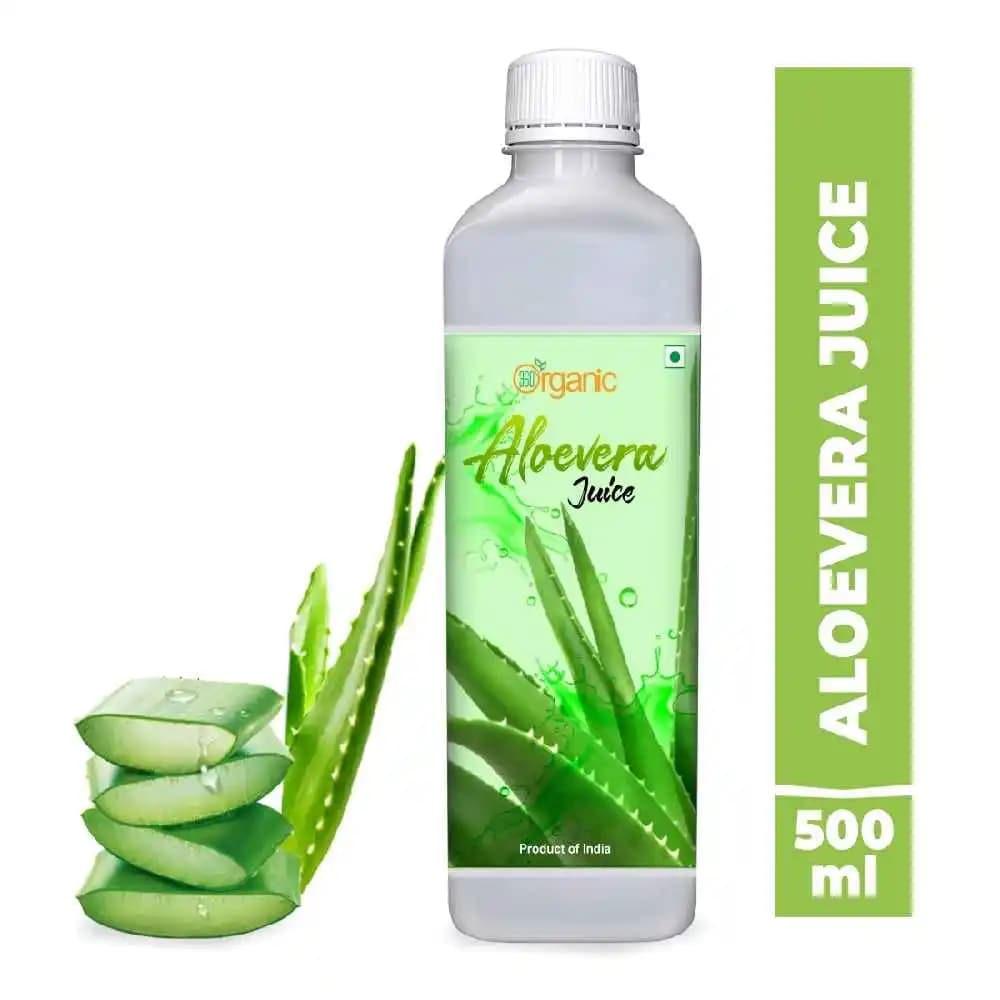
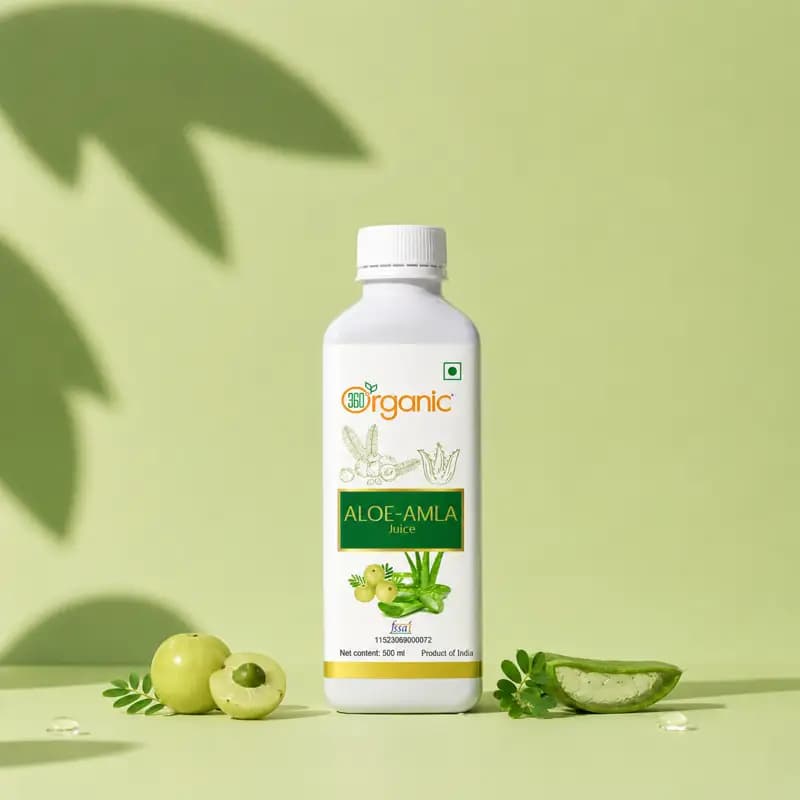
360 Organic includes aloe in formats designed for everyday use, so a familiar plant fits simply into a modern routine.
How to include aloe vera into your routine
Common practices include:
- A thin layer on damp skin in the morning, before moisturiser
- A cool layer after time outdoors or after shaving
- Sunscreen as normal, because aloe does not replace it
- A small patch test first if your skin is sensitive
What changes can you expect with regular use
People often notice skin that feels fresher and more comfortable, especially in heat. These are gentle, everyday effects rather than dramatic ones.
Why aloe vera continues to be trusted
Aloe vera lasts because it asks for little and gives a simple kind of comfort. A familiar plant, used sensibly, still has a place in a modern routine.
Key takeaways
- Aloe gel is light and cooling, and suits daily use
- Evidence is promising for some uses but still limited
- It does not protect against sun, so sunscreen is still needed
- Patch test first if your skin is sensitive
Sources
- National Center for Complementary and Integrative Health. Aloe Vera. https://www.nccih.nih.gov/health/aloe-vera
- Cochrane Database of Systematic Reviews (2012). Aloe vera for treating acute and chronic wounds. https://pubmed.ncbi.nlm.nih.gov/22336851/
- Giornale Italiano di Dermatologia e Venereologia (2009). Aloe vera in dermatology: a brief review. https://pubmed.ncbi.nlm.nih.gov/19218914/